



Introduction: Why Interactive Conference Displays Are Transforming Education
👉 Original discussion on LinkedIn:
https://www.linkedin.com/feed/update/urn:li:activity:7446760555115130880/
In recent years, interactive conference displays (also known as smart boards or digital whiteboards) have become a key part of modern classrooms and training environments.
Educational institutions are increasingly adopting these systems to replace:
- Traditional whiteboards
- Projectors
- Static teaching setups
But the real question is:
Do interactive displays actually improve learning outcomes, or are they just a technological upgrade?
This article explores the real-world value, benefits, and limitations of interactive conference display systems in education.
What Is an Interactive Conference Display?

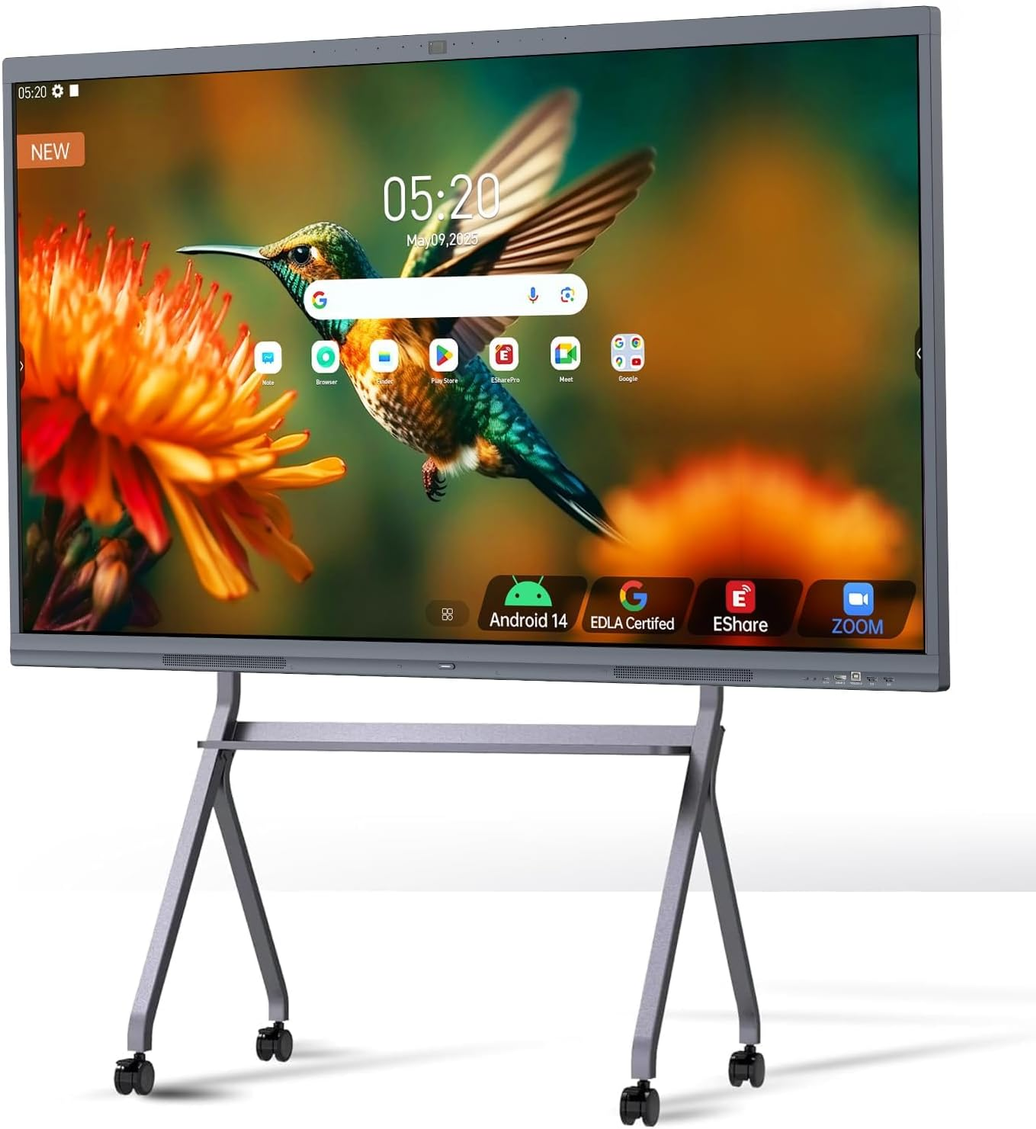
An interactive conference display is an all-in-one touchscreen system that combines:
- Digital whiteboard functionality
- Multimedia display
- Wireless screen sharing
- Real-time annotation tools
- Video conferencing capabilities
These systems are widely used in:
- Schools and universities
- Corporate training rooms
- Hybrid learning environments
- Meeting and collaboration spaces
They are often referred to as:
- Interactive display
- Smart board
- Digital whiteboard
- All-in-one conference panel
Key Benefits of Interactive Displays in Education

1. Enhanced Visual Learning Experience
Interactive displays significantly improve content visibility and clarity.
Compared to traditional projectors or chalkboards, they provide:
- High-definition visuals
- Better color accuracy
- Wide viewing angles
This is especially effective for:
- STEM education (math, physics, science diagrams)
- Visual storytelling subjects (history, geography)
- Multimedia-based lessons
2. Improved Student Engagement Through Interaction
One of the biggest advantages of interactive displays is active participation.
Students can:
- Write directly on the screen
- Drag and manipulate objects
- Collaborate in real time
This turns passive learning into interactive learning experiences, improving:
- Engagement rate
- Knowledge retention
- Classroom participation
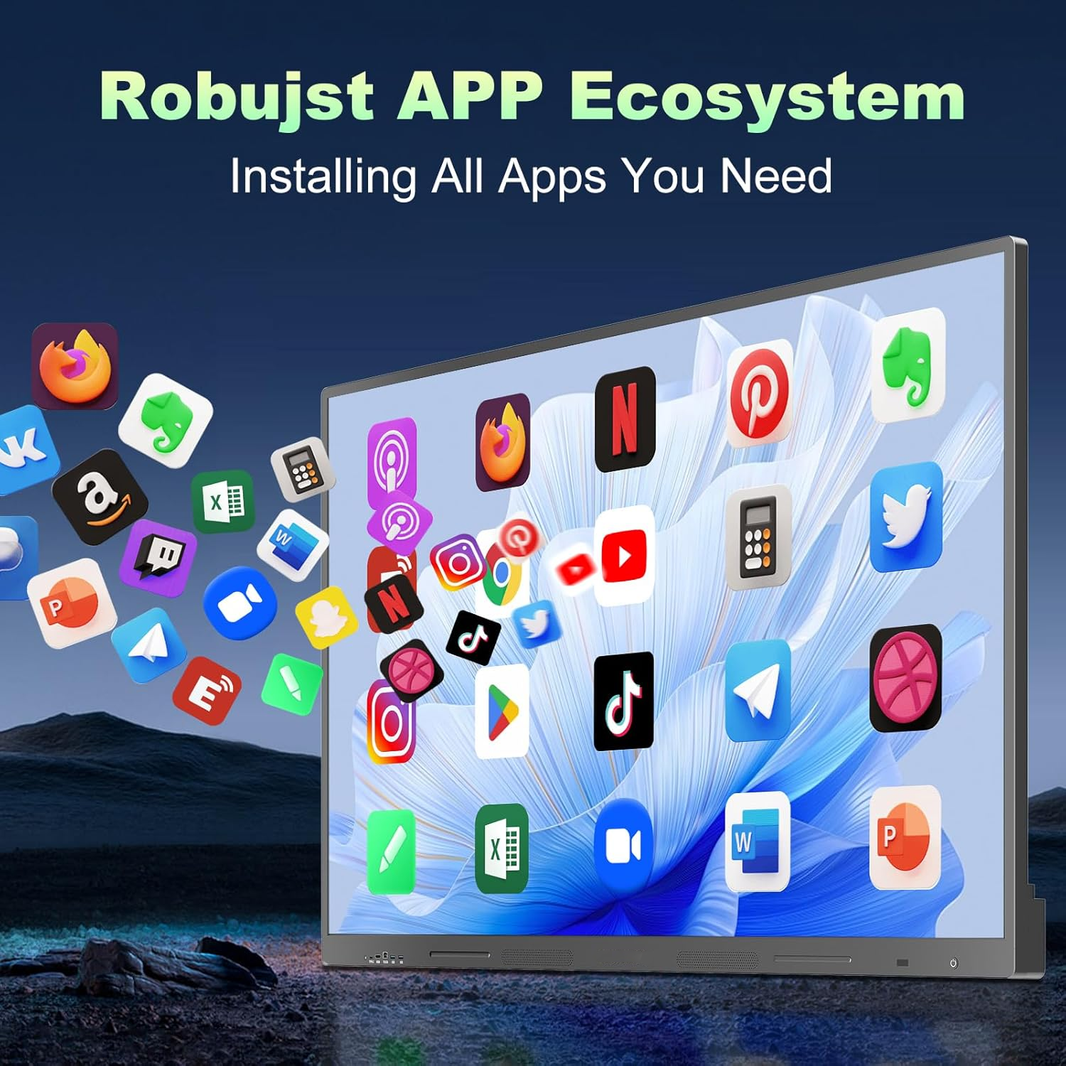
3. Wireless Screen Sharing and Device Integration
Modern interactive conference displays support seamless connectivity:
- Laptop screen sharing
- Mobile device casting
- Tablet integration
This makes it easy for students and teachers to:
- Present assignments
- Share group work
- Switch presenters instantly
This feature is critical in modern hybrid classrooms and smart campuses.
4. Real-Time Annotation and Digital Collaboration
Teachers can annotate directly on:
- Presentations
- Videos
- Web content
- Documents
Key SEO-relevant benefit: digital collaboration in education
Advantages include:
- Instant feedback during lessons
- Save and share notes after class
- Reduce repetitive writing on boards
5. Hybrid Learning Support (Onsite + Remote Education)
Interactive conference displays are essential for hybrid learning setups.
Built-in features often include:
- Camera systems
- Microphones
- Video conferencing software support
This allows:
- Remote students to join live classes
- Recorded lessons for later review
- Seamless integration of online and offline teaching
Common Misconceptions About Interactive Displays

1. Technology Alone Does Not Improve Education
A common misconception is that installing a smart board automatically improves teaching outcomes.
In reality:
- Teaching methodology matters more than hardware
- Without training, usage remains basic
- Many systems are underutilized
2. Low Utilization in Real Classrooms
In many schools, interactive displays are used only as:
- Projector replacements
- Static presentation screens
This leads to poor ROI on technology investment.
3. Lack of Teacher Training Limits Effectiveness
Successful adoption requires:
- Teacher onboarding
- Lesson redesign
- Digital teaching strategies
Without this, interactive displays become expensive whiteboards instead of learning tools.
From Hardware to Learning Ecosystem
As highlighted in the original LinkedIn discussion:
👉 https://www.linkedin.com/feed/update/urn:li:activity:7446760555115130880/
Interactive display systems are not just hardware upgrades—they are part of a broader shift toward digital learning ecosystems.
Their true value depends on:
- Curriculum integration
- Teaching methodology
- Digital infrastructure readiness
Are Interactive Conference Displays Worth It?
Yes—but only when implemented correctly.
They are most effective when:
- Integrated into modern teaching methods
- Supported by teacher training
- Used for collaboration, not just presentation
Otherwise, they risk becoming underused technology investments.
Leave a comment