


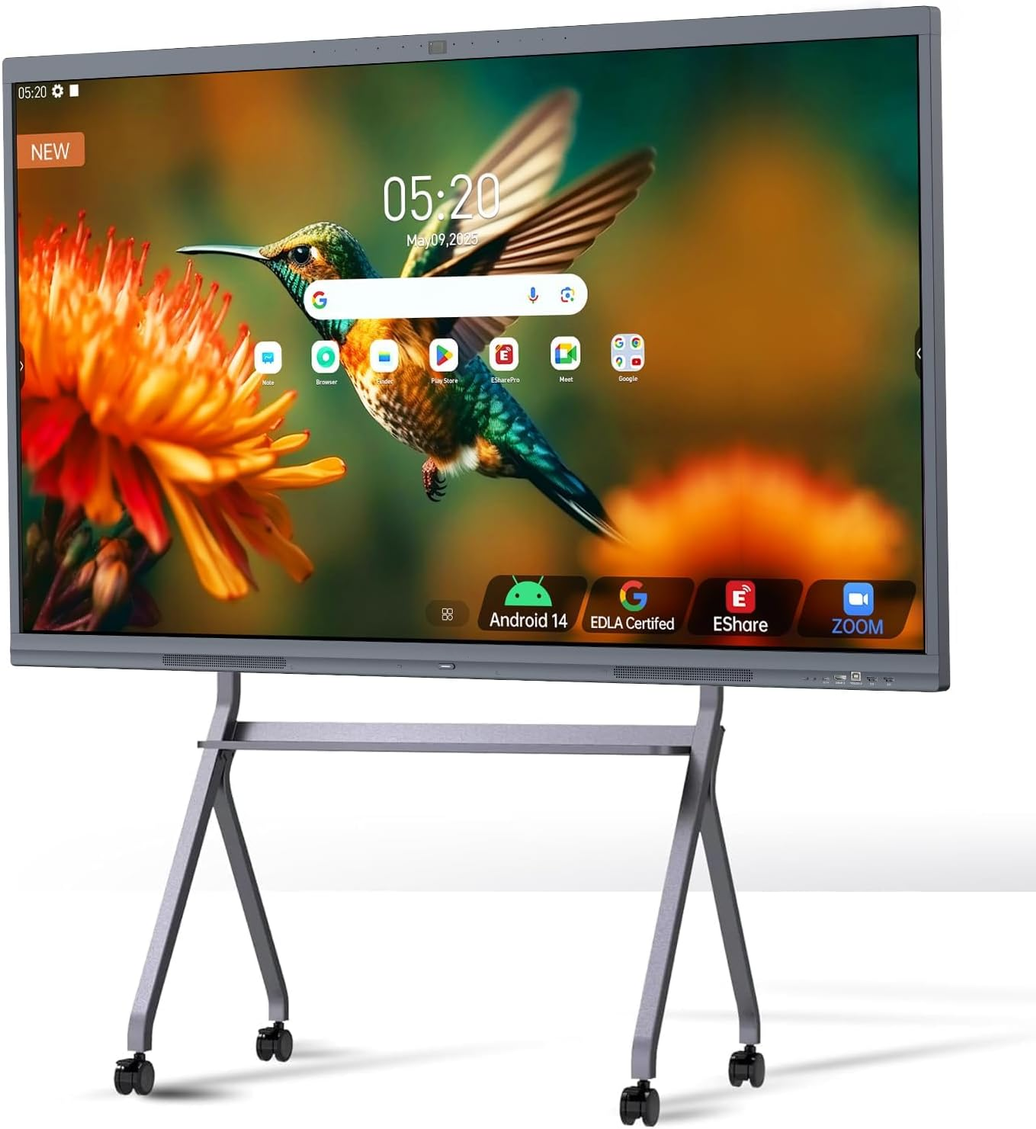
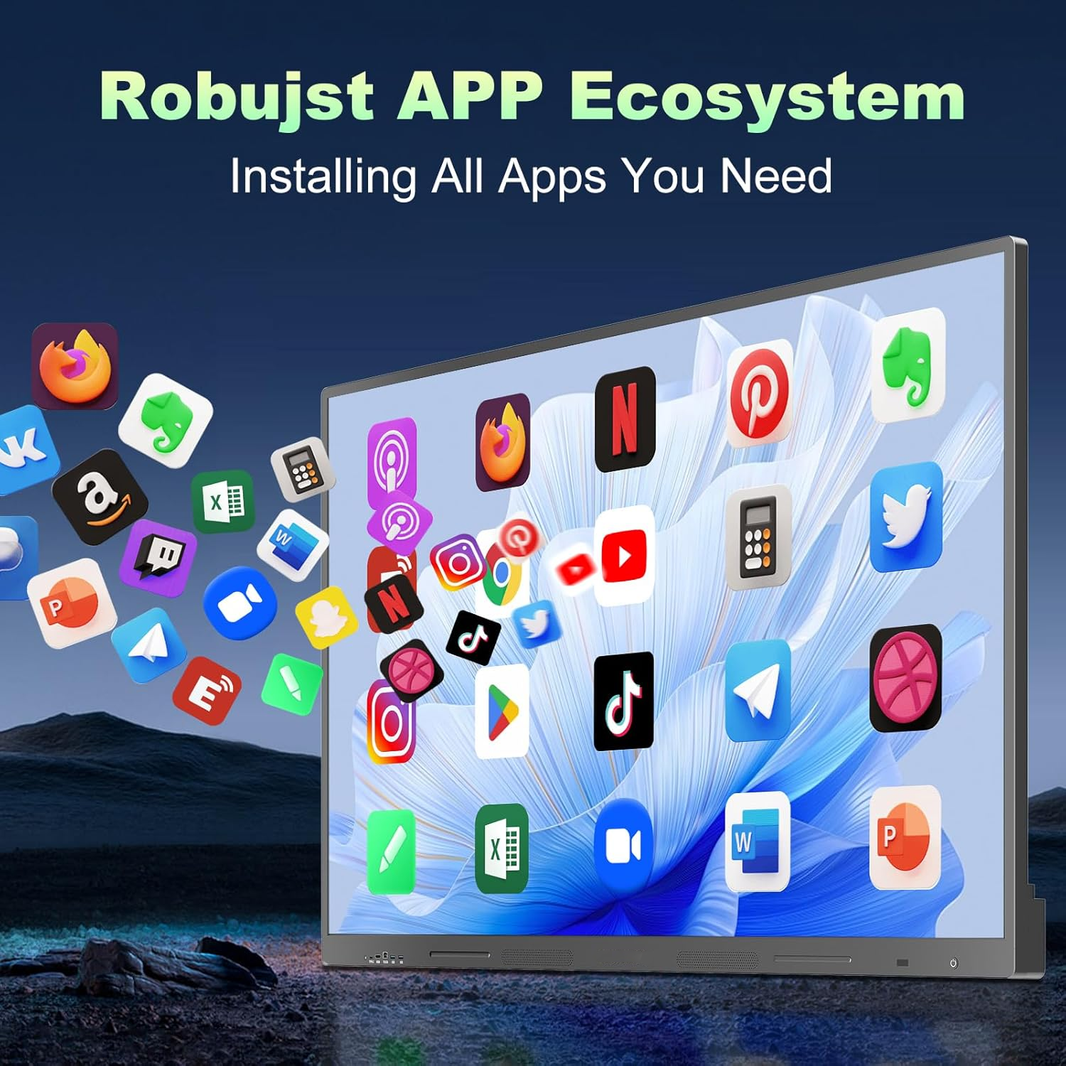

What Is an Interactive Display for Meeting Rooms?
An interactive display for meeting rooms is an all-in-one touchscreen solution designed to transform how teams collaborate. Also known as an interactive flat panel or smart meeting board, it combines multiple tools into one device:
- Digital whiteboard
- Wireless screen sharing
- Video conferencing system
- Cloud-based collaboration
Unlike traditional setups that require separate devices, interactive displays streamline meetings into a seamless, efficient experience.
Why Interactive Displays Are Replacing Traditional Meeting Tools

1. From Passive Meetings to Active Collaboration
Traditional tools like projectors limit engagement. Interactive displays allow teams to:
- Write and annotate in real time
- Collaborate simultaneously on the same screen
- Visualize ideas instantly
This shift turns meetings into dynamic working sessions instead of passive presentations.
2. Hybrid Work Requires Smarter Technology
Modern workplaces are no longer confined to physical offices. With hybrid work becoming the norm, meeting room technology must support:
- Remote and in-person participants
- Real-time content sharing
- Seamless communication across locations
Interactive displays are designed specifically for this new work environment.
3. Proven Productivity Improvements
Research shows that interactive collaboration tools can:
- Increase meeting efficiency by up to 30%
- Reduce decision-making time
- Improve team engagement
By making information visual and interactive, teams can move faster and work smarter.
Key Features of Modern Interactive Displays

Touchscreen Writing Experience
- Ultra-responsive touch with low latency
- Multi-user interaction
- Natural pen-to-paper feel
Wireless Screen Sharing
- Cast from laptops, tablets, and smartphones
- No cables or adapters needed
- Supports multiple devices simultaneously
Built-in Video Conferencing
- Compatible with major platforms like Zoom and Teams
- Integrated camera and microphone (optional)
- Supports hybrid meetings effortlessly
Multi-screen Collaboration
- Split screen for multiple users
- Compare documents side-by-side
- Real-time co-editing
Interactive Display vs Projector: Which Is Better?

|
Feature |
Interactive Display |
Projector |
|
Image Quality |
4K UHD |
Affected by lighting |
|
Interactivity |
Full touch support |
Limited |
|
Setup |
Plug & play |
Complex installation |
|
Maintenance |
Low |
High (bulbs, alignment) |
|
Collaboration |
Built-in tools |
External tools required |
Interactive displays outperform projectors in nearly every category, making them the preferred choice for modern meeting rooms.
Common Use Cases Across Industries

Corporate Meeting Rooms
- Strategy planning
- Team collaboration
- Client presentations
Education & Training
- Interactive teaching
- Remote learning sessions
- Corporate training programs
Creative & Design Teams
- Brainstorming sessions
- Visual collaboration
- Design reviews
Installation Types of Interactive Displays

Wall-mounted Installation
- Fixed and space-saving
- Clean and professional look
- Ideal for permanent meeting rooms
Mobile Stand Installation
- Flexible and portable
- Easy to move between rooms
- Suitable for dynamic office environments
Embedded Installation
- Built into walls or furniture
- High-end boardroom setup
- Seamless integration
👉 Need help choosing installation?
How to Choose the Right Interactive Display (Expert Guide)

1. Choose the Right Screen Size
- 55”–65”: Small meeting rooms
- 75”–86”: Medium to large rooms
2. Prioritize Display Quality
- 4K resolution is recommended
- Anti-glare screens improve visibility
3. Check Operating System Compatibility
- Android for flexibility
- Windows for enterprise integration
4. Evaluate Connectivity Options
- HDMI and USB-C support
- Wireless casting capabilities
5. Look for Collaboration Features
- Built-in whiteboard
- Cloud storage integration
- Multi-device connectivity
Future Trends in Interactive Meeting Technology (2026 & Beyond)

Interactive displays continue to evolve with new innovations:
- AI-powered meeting summaries
- Voice control and smart assistants
- Cloud-native collaboration platforms
- Integration with smart office ecosystems
These advancements will further enhance productivity and redefine how teams work together.
FAQ
1.What size interactive display is best for a meeting room?
The ideal size depends on room dimensions and viewing distance. Larger rooms typically require 75” or above for optimal visibility.
2.Are interactive displays worth the investment?
Yes. They improve collaboration, reduce meeting time, and eliminate the need for multiple devices, delivering strong long-term ROI.
3.Can interactive displays replace video conferencing systems?
Absolutely. Many interactive displays are all-in-one solutions that integrate video conferencing, whiteboarding, and screen sharing.
Interactive displays are no longer a luxury—they are an essential tool for modern meeting rooms. By combining collaboration, communication, and presentation into a single platform, they empower teams to work more efficiently and effectively.
If you're looking to upgrade your meeting space, now is the perfect time to invest in a smarter solution.
Leave a comment