



What Is an Interactive Display?
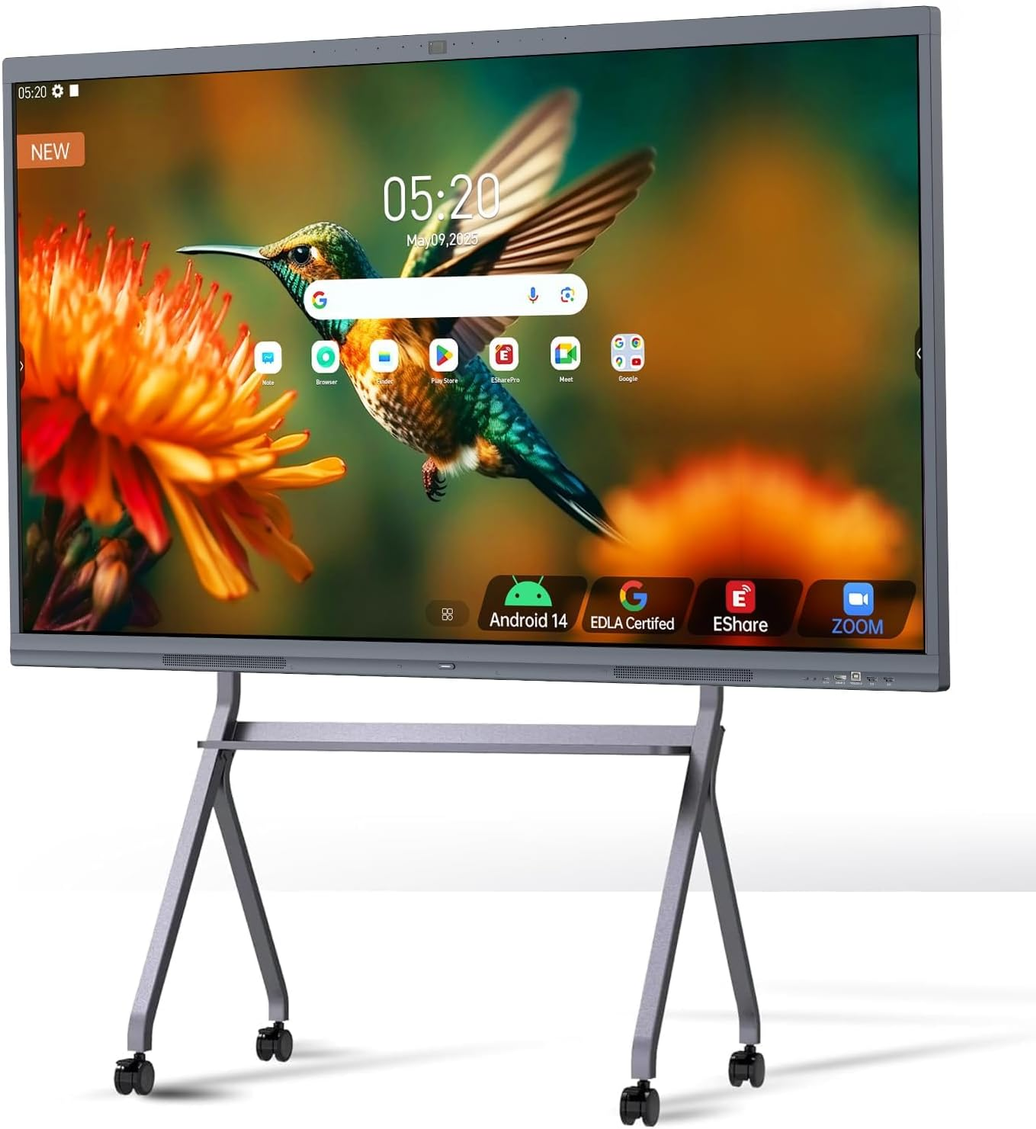
An interactive display is a touchscreen-enabled digital device that allows users to interact directly with content on the screen using fingers or a stylus. Unlike traditional displays, it combines multiple meeting tools into one unified system.
- A typical interactive display includes:
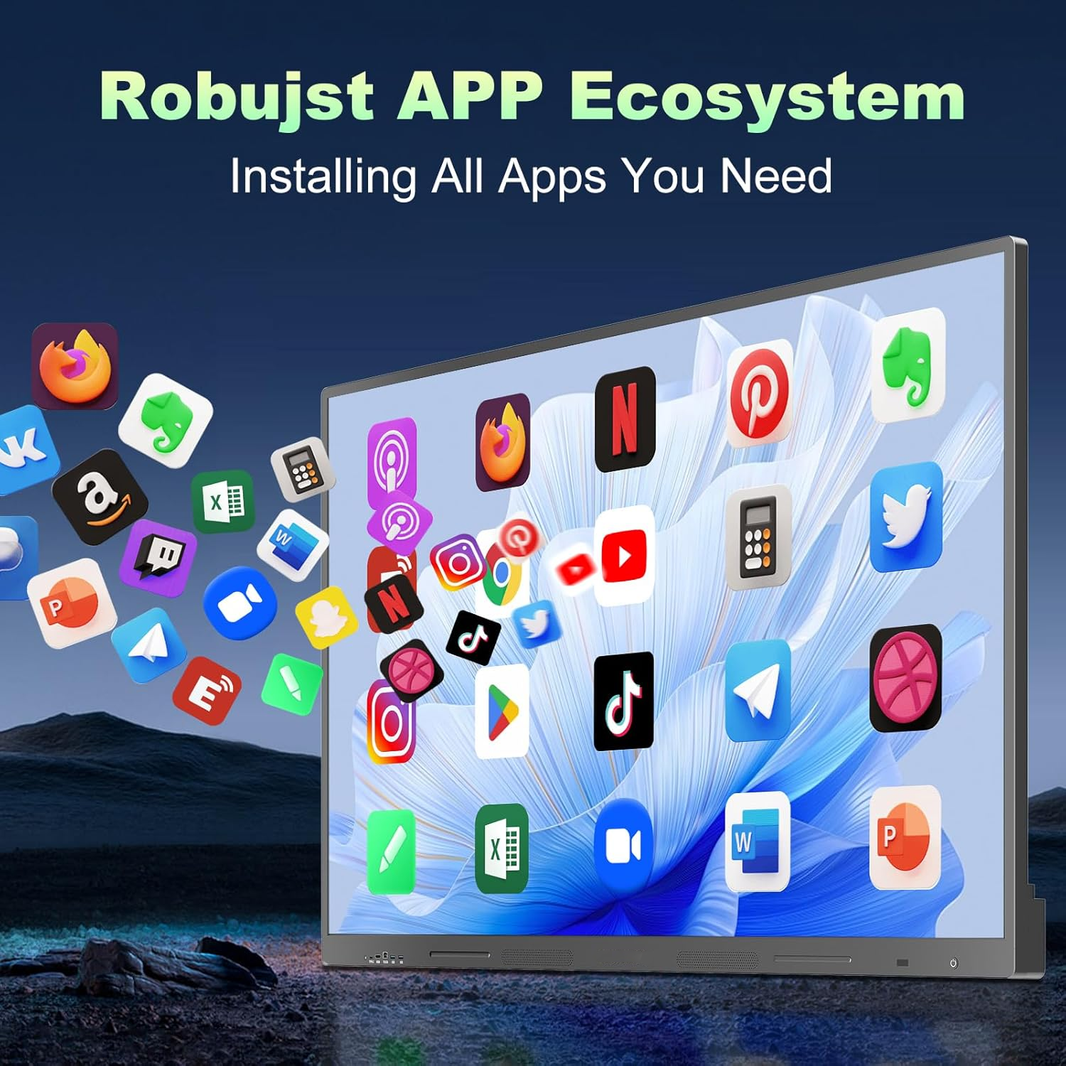
- Built-in digital whiteboarding software
- Wireless screen sharing capabilities
- Integration with video conferencing platforms
- Cloud-based collaboration tools
In modern workplaces, interactive displays are often referred to as smart boards for business or digital collaboration hubs, as they serve as the central interface for meetings, presentations, and teamwork.
👉 Ultimate Guide to Interactive Displays for Meeting Rooms

The Evolution of Meeting Tools: From Whiteboards to Smart Displays
Traditional Meeting Setup (Before 2020)
Most meeting rooms relied on:
- Projectors
- Whiteboards
- Laptops + HDMI cables
These setups created several inefficiencies:
- Time wasted on setup
- Limited interaction
- Poor remote collaboration
The Shift to Digital Collaboration
According to global workplace research:
- Over 70% of organizations adopted hybrid work models
- Businesses increased spending on collaboration tools by over 30%
This shift forced companies to rethink how meetings are conducted.
Interactive displays emerged as a direct response to these challenges—offering a centralized, all-in-one solution.

Why Interactive Displays Replaced Traditional Meeting Tools
1. All-in-One Integration
Interactive displays eliminate the need for multiple devices by combining:
- Whiteboard
- Projector
- Video conferencing system
- Screen sharing tools
👉All-in-One Interactive Display Product
2. Real-Time Collaboration
Unlike static tools, interactive displays allow:
- Multiple users to write simultaneously
- Instant annotation on shared content
- Live editing during meetings
This aligns with modern collaboration frameworks like Agile and Design Thinking, where visual interaction is critical.
3. Seamless Hybrid Meeting Support
Traditional tools fail in hybrid environments. Interactive displays enable:
- Remote participants to interact in real time
- Screen sharing across devices and locations
- Integrated video conferencing
👉 Best Interactive Displays for Hybrid Meetings
4. Improved Productivity and Decision-Making
A study by workplace technology analysts shows:
- Visual collaboration improves information retention by up to 65%
- Teams make decisions 25% faster using interactive tools
5. Reduced IT Complexity
Traditional setups require:
- Multiple cables
- External devices
- Frequent troubleshooting
Interactive displays simplify this with:
- Plug-and-play setup
- Wireless connectivity
- Centralized control
👉 Easy Setup Interactive Display Solutions

Interactive Display vs Traditional Whiteboard
|
Feature |
Interactive Display |
Traditional Whiteboard |
|
Collaboration |
Real-time & remote |
In-room only |
|
Content Saving |
Cloud-based |
Manual |
|
Multimedia |
Full support |
None |
|
Scalability |
High |
Limited |
Key Insight:
Traditional whiteboards are static tools, while interactive displays are dynamic collaboration platforms.

Interactive Display vs Projector
|
Feature |
Interactive Display |
Projector |
|
Brightness |
Consistent |
Affected by lighting |
|
Interaction |
Touch-enabled |
None |
|
Setup |
Instant |
Complex |
|
Maintenance |
Low |
High |
👉 Interactive Display vs Projector Comparison Guide

Real-World Use Cases
Corporate Enterprises
- Strategy planning
- Cross-team collaboration
- Client presentations
Case Insight:
Large enterprises adopting interactive displays report faster alignment across departments.
Manufacturing & Industrial Teams
- Production planning meetings
- Technical diagram collaboration
- Real-time problem-solving
👉 Interactive Displays for Industrial Use
Education & Training
- Employee onboarding
- Skills training
- Remote workshops

Expert Framework: How to Evaluate Meeting Technology
To choose the right solution, enterprises should evaluate:
1. Integration Capability
Does it replace multiple tools?
2. Collaboration Efficiency
Does it improve real-time interaction?
3. Scalability
Can it support hybrid teams?
4. Total Cost of Ownership (TCO)
Does it reduce long-term costs?

Future Outlook: The Role of Interactive Displays in Smart Offices
Interactive displays are becoming a core component of smart office ecosystems:
- AI meeting assistants
- Voice-controlled interfaces
- Data-driven collaboration
Companies investing early gain a competitive advantage in productivity and communication.
FAQ
1️⃣What is the main purpose of an interactive display?
To improve collaboration by combining multiple meeting tools into one interactive platform.
2️⃣Are interactive displays better than projectors?
Yes, they provide better image quality, interactivity, and ease of use.
Can interactive displays support hybrid meetings?
Absolutely. They are designed for both in-person and remote collaboration.
Interactive displays are not just replacing traditional meeting tools—they are redefining how teams communicate, collaborate, and make decisions.
For businesses looking to modernize their meeting rooms, adopting interactive display technology is no longer optional—it is essential.
Leave a comment