



The Rise of Hybrid Meetings
Hybrid meetings—where some participants are in the room and others join remotely—have become the standard in modern workplaces.
However, they often fail due to:
- Poor communication
- Lack of engagement
- Technology limitations
According to workplace studies:
- Over 70% of organizations operate in hybrid models
- Yet, nearly 60% of hybrid meetings are considered ineffective
👉 The problem is not hybrid work—it’s the tools used to support it.
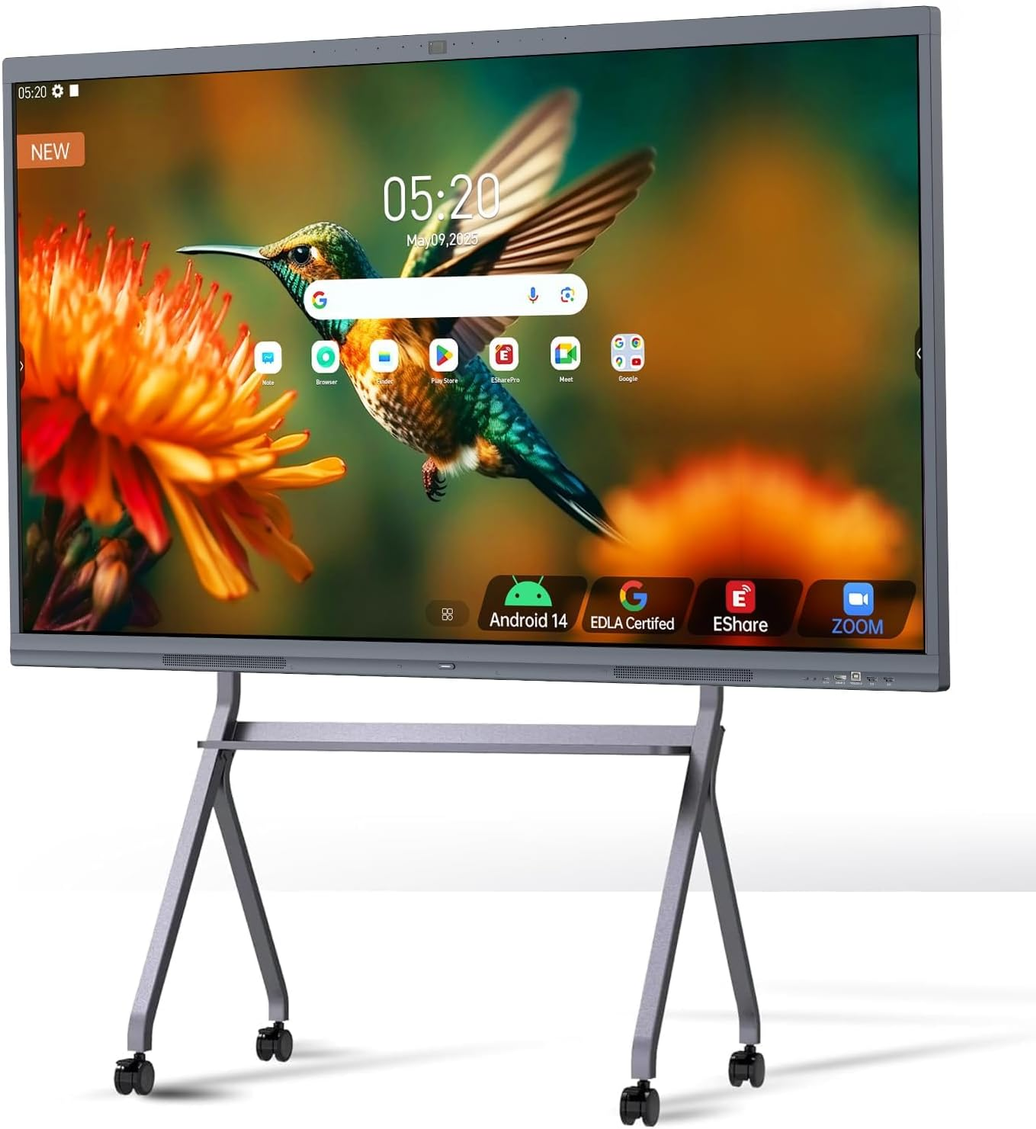
Interactive displays are emerging as the most effective solution to bridge the gap between physical and remote collaboration.

What Makes Hybrid Meetings Challenging?
1. Unequal Participation
Remote participants often feel disconnected from in-room discussions.
2. Limited Visibility & Interaction
Traditional tools fail to provide:
- Clear visuals
- Real-time interaction
- Equal collaboration experience
3. Fragmented Tools
Most hybrid setups rely on:
- Separate conferencing systems
- External whiteboards
- Screen sharing tools
This leads to inefficiency and confusion.
👉 7 Problems Interactive Displays Solve in Modern Meetings

Why Interactive Displays Are Ideal for Hybrid Meetings
Interactive displays unify multiple tools into one system:
- Video conferencing
- Digital whiteboard
- Screen sharing
- Collaboration platform
Key Advantages
Real-Time Collaboration
Remote and in-room users can interact simultaneously.
Visual Clarity
4K displays ensure content is visible to all participants.
Seamless Communication
Integrated systems reduce friction and delays.
👉 All-in-One Interactive Display Solutions

Key Features to Look for in Hybrid Meeting Displays
1. Built-in Video Conferencing Integration
- Compatible with Zoom / Teams
- High-quality camera & microphone
2. Wireless Screen Sharing
- Multi-device casting
- No cables or adapters
3. Multi-User Interaction
- Simultaneous writing
- Shared digital workspace
4. High-Resolution Display
- 4K UHD recommended
- Anti-glare for bright rooms
5. Cloud Collaboration
- Save and share meeting content
- Remote access
👉 Interactive Display Features Explained
Best Use Scenarios for Hybrid Meeting Displays
Corporate Meeting Rooms
- Cross-location team meetings
- Strategy discussions
Industrial & Engineering Teams
- Remote technical collaboration
- Real-time diagram sharing
Training & Workshops
- Remote onboarding
- Interactive training sessions
👉Top Use Cases of Interactive Displays

Real-World Case Study: Hybrid Collaboration in Action
Enterprise Example
A global company implemented interactive displays across meeting rooms.
Results:
- 35% increase in meeting engagement
- Faster cross-location decision-making
- Reduced reliance on multiple tools

Expert Framework: Designing an Effective Hybrid Meeting Room
Step 1: Centralize Collaboration Tools
Use one system instead of multiple disconnected tools.
Step 2: Ensure Equal Visibility
All participants should see the same content clearly.
Step 3: Enable Real-Time Interaction
Remote users must actively participate.
Step 4: Simplify Setup
Reduce technical complexity.
Common Mistakes to Avoid
- Using projectors for hybrid meetings
- Ignoring remote participant experience
- Overcomplicating setup
- Not training employees
👉 How to Choose the Right Interactive Display

Interactive Display vs Traditional Hybrid Setup
|
Feature |
Interactive Display |
Traditional Setup |
|
Collaboration |
Real-time |
Limited |
|
Setup |
Simple |
Complex |
|
Integration |
All-in-one |
Fragmented |
|
User Experience |
Seamless |
Disconnected |
Future Trends in Hybrid Meeting Technology
- AI meeting assistants
- Voice-controlled collaboration
- Cloud-native meeting platforms
Interactive displays will become the central hub of hybrid workplaces.
FAQ
Q1. What is the best display for hybrid meetings?
Interactive displays with built-in collaboration and video conferencing features.
Q2. How do interactive displays improve hybrid meetings?
They enable real-time interaction, better visibility, and unified communication.
Q3. Are interactive displays worth it for remote teams?
Yes, especially for improving collaboration and reducing meeting inefficiencies.
Hybrid meetings are here to stay—but their success depends on the technology behind them.
Interactive displays provide the tools needed to:
- Bridge communication gaps
- Improve collaboration
- Increase productivity
For businesses adopting hybrid work, investing in the right display solution is essential.
Leave a comment