Education, Medical & Industrial Use Cases Explained
Not all digital whiteboards are designed for the same environments.
While core collaboration principles remain the same, education, medical, and industrial applications place very different demands on hardware reliability, software behavior, compliance, and lifecycle control.
This guide explains how digital whiteboards are adapted for industry-specific requirements, and what buyers should look for beyond generic feature lists.
Why Industry-Specific Design Matters
Many products marketed as “smart boards” or “interactive displays” are designed primarily for:
- Classrooms
- Light office use
When deployed in medical or industrial environments, these consumer-oriented designs often fail due to:
- Insufficient ingress protection
- Poor thermal stability
- Short OS lifecycles
- Lack of compliance documentation
Choosing the
👉 best digital whiteboard for small business
means selecting a system aligned with your operating environment, not just your budget.
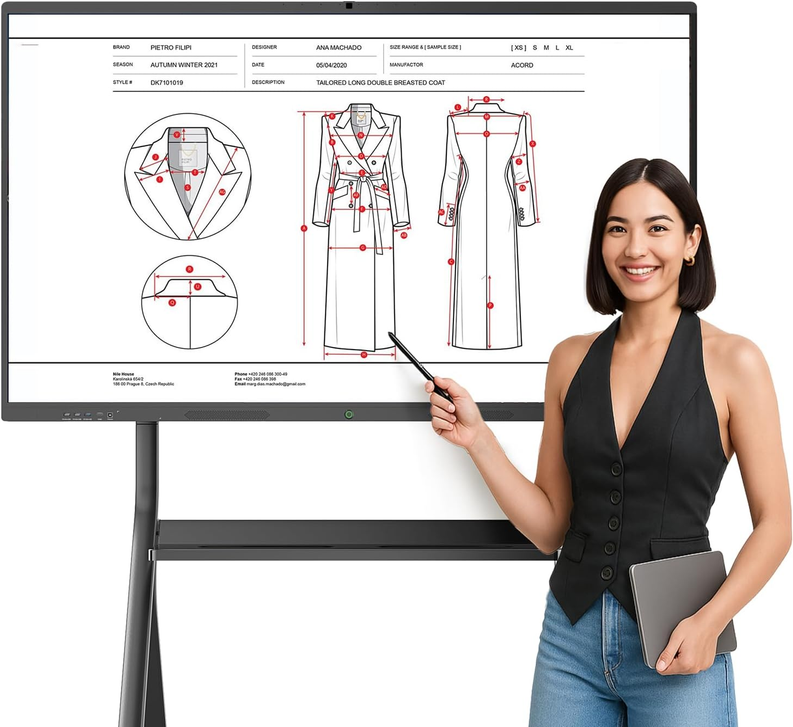
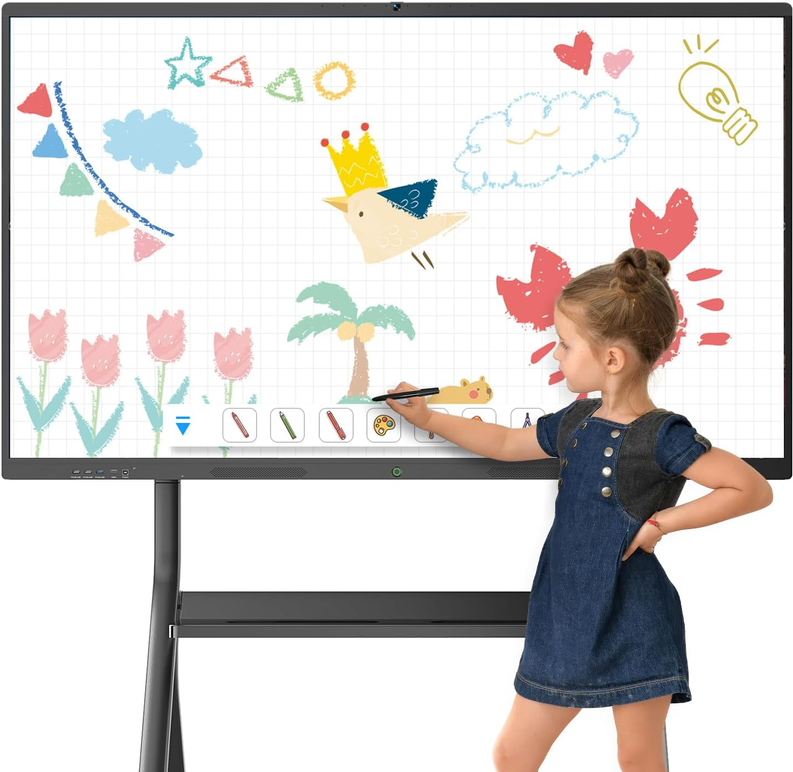
Digital Whiteboards for Education
Primary Use Cases
- Classroom teaching
- Interactive lessons
- Hybrid learning
- Teacher training
Key Requirements
- Multi-touch support (10–20 points)
- Anti-glare display for long viewing
- Built-in annotation and screen recording
- Easy switching between users
Why Digital Whiteboards Work in Education
- Encourage student engagement
- Replace projectors and traditional boards
- Support remote students via Zoom / Teams
For collaborative learning environments, education boards share many features with
👉 digital whiteboard for small business collaboration.
Digital Whiteboards for Medical Environments
Primary Use Cases
- Medical training & education
- Case discussions
- Telemedicine collaboration
- Imaging review meetings
Medical-Specific Requirements
- Front bezel IP65–IP66 for cleaning
- Anti-bacterial or easy-disinfect surfaces
- Fanless, silent operation
- Stable long-term OS support
Medical buyers often require:
- Long product lifecycle control
- Documentation for compliance validation
Consumer smart boards frequently fail to meet these requirements.
Digital Whiteboards for Industrial Applications
Primary Use Cases
- Production planning
- HMI-style visualization
- Training on SOPs
- Control-room collaboration
Industrial-Specific Requirements
- Metal housing
- Wide temperature tolerance
- Dust and vibration resistance
- 24/7 operation capability
Industrial digital whiteboards are often deployed alongside:
- PLC visualization
- MES dashboards
- SCADA monitoring systems
These environments demand commercial-grade reliability, not classroom hardware.
Comparison Table: Industry Requirements
|
Requirement |
Education |
Medical |
Industrial |
|
Touch accuracy |
High |
High |
High |
|
Cleaning resistance |
Medium |
Very High |
Medium |
|
Noise tolerance |
Medium |
Very High |
High |
|
Environmental resistance |
Low |
Medium |
Very High |
|
Lifecycle length |
5–7 yrs |
7–10 yrs |
7–10 yrs |
|
OS stability |
Medium |
Very High |
Very High |
Industry-specific digital whiteboards differ more in reliability and compliance than in basic features.
Software & Conferencing Across Industries
All industry variants typically require:
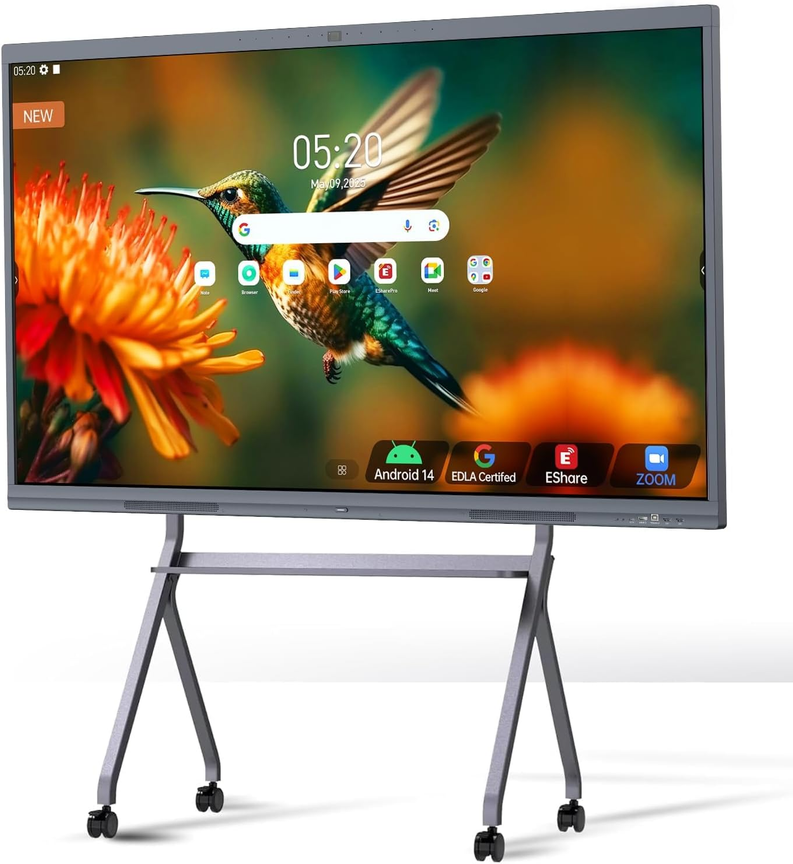
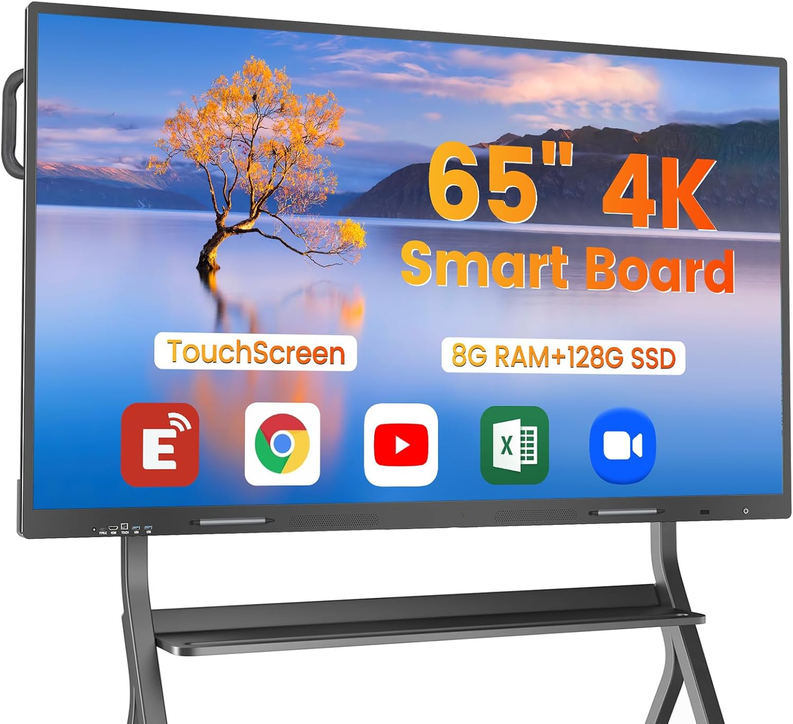
- Native Zoom & Teams support
- Annotation during meetings
- Secure system access
This makes
👉 digital whiteboard compatible with Zoom and Microsoft Teams
a baseline requirement—not a premium feature.
Hardware Architecture by Industry
|
Component |
Education |
Medical |
Industrial |
|
Housing |
Plastic / Aluminum |
Aluminum / Sealed |
Metal |
|
Cooling |
Fanless preferred |
Fanless required |
Fanless required |
|
Touch layer |
Infrared |
Infrared / Capacitive |
Infrared |
|
Panel brightness |
Standard |
Standard–High |
High |
Manufacturer Industry Validation
As a digital whiteboard manufacturer, we:
- Design industry-specific variants rather than one-size-fits-all products
- Validate thermal, vibration, and long-duration performance
- Control component selection for long-term availability
- Maintain OS and firmware roadmaps aligned with regulated industries
This approach ensures predictable deployment and lifecycle stability across education, medical, and industrial environments.
FAQ: Industry Digital Whiteboards
Can one digital whiteboard be used across industries?
Core platforms can, but housing, protection, and lifecycle requirements differ by industry.
Are medical digital whiteboards different from education smart boards?
Yes. Medical boards require higher ingress protection, cleaning resistance, and longer OS stability.
Do industrial digital whiteboards replace HMIs?
They complement HMIs by providing large-format visualization and collaborative interaction.
Are industry models more expensive?
They typically cost more due to reinforced design and longer lifecycle validation.