


Interactive Whiteboard vs Traditional Whiteboard: Which Is Better for Business and Industrial Use?
For decades, traditional whiteboards have been a staple in offices, classrooms, and meeting rooms. However, with the rise of digital transformation, interactive whiteboards (IWBs) are rapidly replacing them in modern business environments.
But is the upgrade really worth it?
For company buyers, the decision is not just about replacing a writing surface—it’s about improving collaboration, efficiency, and long-term operational performance.
In this guide, we provide a comprehensive, side-by-side comparison to help you determine which solution best fits your business needs.
👉 For a complete overview, visit the
interactive whiteboard guide:The Complete Guide to Interactive Whiteboards for Business and Industrial Applications
What Is a Traditional Whiteboard?
A traditional whiteboard is a non-digital writing surface typically made of melamine, porcelain, or glass, used with dry-erase markers.
Key Characteristics
· Manual writing
· No digital storage
· No connectivity
· Limited collaboration
Common Use Cases
· Basic note-taking
· Brainstorming sessions
· Classroom teaching
What Is an Interactive Whiteboard?
👉 Learn more:What is an Interactive Whiteboard?
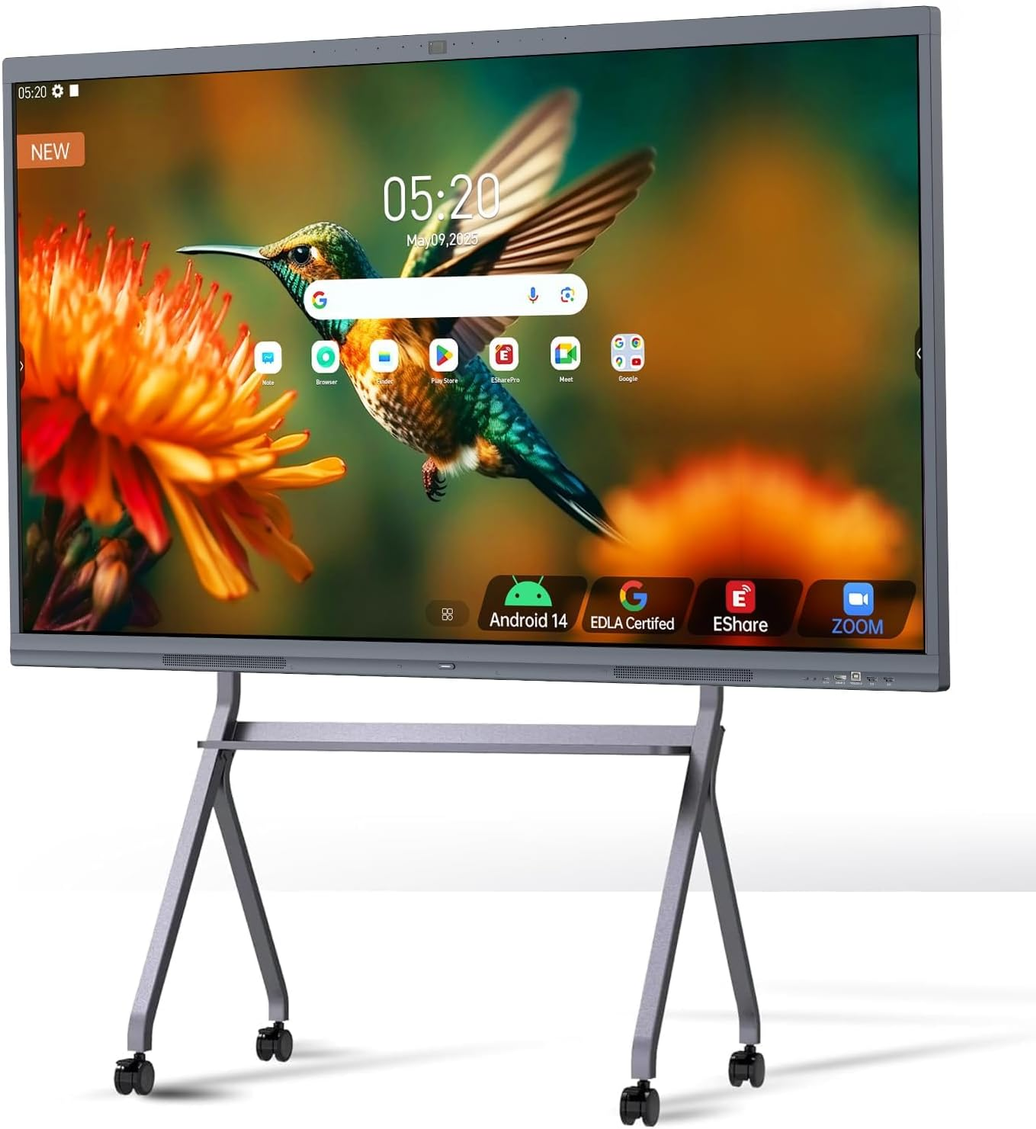
An interactive whiteboard is a digital, touch-enabled display system that allows users to interact with content in real time.
Key Capabilities
· Multi-touch interaction
· Digital annotation
· Cloud storage
· Remote collaboration
Core Differences at a Glance
|
Feature |
Interactive Whiteboard |
Traditional Whiteboard |
|
Interactivity |
High |
None |
|
Data Storage |
Cloud & local |
None |
|
Collaboration |
Remote + in-person |
In-person only |
|
Multimedia Support |
Yes |
No |
|
Integration |
Software & systems |
None |
Functionality Comparison
Writing and Annotation
Traditional Whiteboard:
· Manual writing
· Erasable but not storable
Interactive Whiteboard:
· Digital writing
· Save, share, and export notes
Content Sharing
Traditional:
· Requires manual transcription
· No remote access
Interactive:
· Instant sharing via cloud
· Email and file export
Multimedia Capabilities
Traditional:
· Text only
Interactive:
· Videos
· Images
· Presentations
· Live data dashboards
Collaboration Capabilities
In-Person Collaboration
Both systems support in-room collaboration, but:
· Traditional boards are limited to one user at a time
· Interactive whiteboards support multi-user interaction
Remote Collaboration
Traditional Whiteboard:
❌ Not supported
Interactive Whiteboard:
✅ Fully supported via:
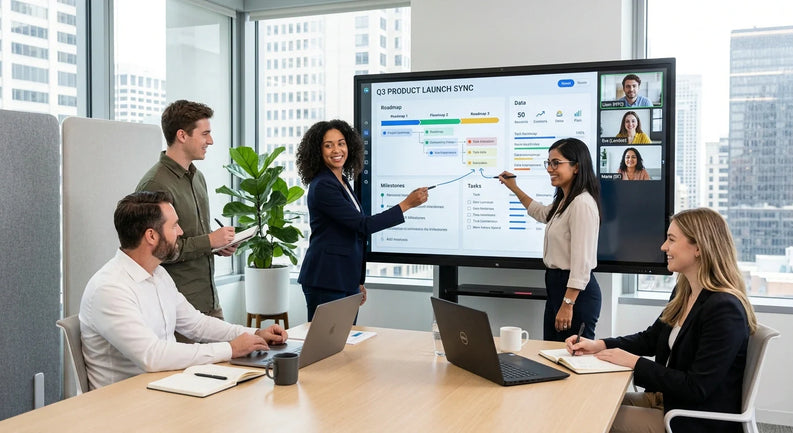
· Video conferencing
· Screen sharing
· Cloud platforms
Hybrid Work Enablement
Interactive whiteboards are essential for:
· Remote teams
· Global collaboration
· Hybrid work models
👉 See real-world applications:Interactive Whiteboard Use Cases by Industry
Productivity and Efficiency Comparison
Meeting Efficiency
Traditional:
· Slower documentation
· Manual note-taking
Interactive:
· Real-time updates
· Automated saving
· Faster workflows
Decision-Making Speed
Interactive whiteboards enable:
· Data visualization
· Real-time collaboration
· Faster approvals
Workflow Integration
Interactive systems integrate with:
· ERP systems
· Project management tools
· Collaboration platforms
Cost Comparison
Initial Cost
|
Type |
Cost Level |
|
Traditional Whiteboard |
Low |
|
Interactive Whiteboard |
Medium to High |
Operational Costs
Traditional:
· Markers
· Cleaning supplies
· Time inefficiency
Interactive:
· Software updates
· Minimal maintenance
Total Cost of Ownership (TCO)
While traditional boards are cheaper upfront, interactive whiteboards provide:
· Higher productivity
· Reduced travel costs
· Lower long-term expenses
ROI Analysis
Interactive whiteboards deliver ROI through:
· Time savings
· Improved collaboration
· Reduced errors
Use Case Suitability
When to Use a Traditional Whiteboard
· Small teams
· Low-budget environments
· Basic note-taking needs
When to Use an Interactive Whiteboard
· Corporate meeting rooms
· Industrial environments
· Training centers
· Smart collaboration spaces
👉 Learn how to choose the right system:How to Choose an Interactive Whiteboard
Industrial and Enterprise Considerations
Scalability
Traditional boards:
· Not scalable
Interactive whiteboards:
· Scalable across multiple locations
Integration with Systems
Interactive whiteboards integrate with:
· Manufacturing systems
· Business software
· Cloud platforms
Data Security
Interactive systems can include:
· Access control
· Data encryption
· Secure cloud storage
Environmental Impact
Traditional Whiteboards
· Waste from markers
· No energy consumption
Interactive Whiteboards
· Reduced paper usage
· Energy consumption (manageable)
User Experience Comparison
Ease of Use
Traditional:
· Simple
· No learning curve
Interactive:
· Slight learning curve
· Intuitive interfaces
Engagement Level
Interactive whiteboards provide:
· Higher engagement
· Better participation
· Improved retention
Limitations of Each Solution
Traditional Whiteboard Limitations
· No data storage
· No remote collaboration
· Limited functionality
Interactive Whiteboard Limitations
· Higher initial cost
· Requires power and setup
· Needs occasional maintenance
Future Trends: Why Traditional Whiteboards Are Being Replaced
Digital Transformation
Businesses are moving toward:
· Paperless operations
· Smart collaboration tools
Hybrid Work Environments
Interactive whiteboards support:
· Remote work
· Global teams
Industry 4.0
In industrial settings, IWBs enable:
· Data-driven operations
· Real-time monitoring
Final Verdict: Which Should You Choose?
Choose Traditional Whiteboard If:
· Budget is extremely limited
· No need for digital collaboration
Choose Interactive Whiteboard If:
· You need advanced collaboration
· Your team is remote or hybrid
· You require system integration
· You want long-term ROI
Upgrade Path: Transitioning from Traditional to Interactive
Step-by-Step Transition
1. Identify use cases
2. Select appropriate size and specs
3. Train users
4. Integrate with existing systems
Common Challenges
· Resistance to change
· Training requirements
· Integration complexity
👉 Explore solutions:Interactive Whiteboard Solutions for Business
Conclusion
While traditional whiteboards still serve basic needs, they are no longer sufficient for modern business environments.
Interactive whiteboards offer:
· Advanced collaboration
· Data-driven insights
· Scalable solutions
· Strong ROI
For company organizations, the shift is not just an upgrade—it’s a strategic transformation.


Leave a comment